
Navigating Winter Roads in Canada: A Beginner’s Guide
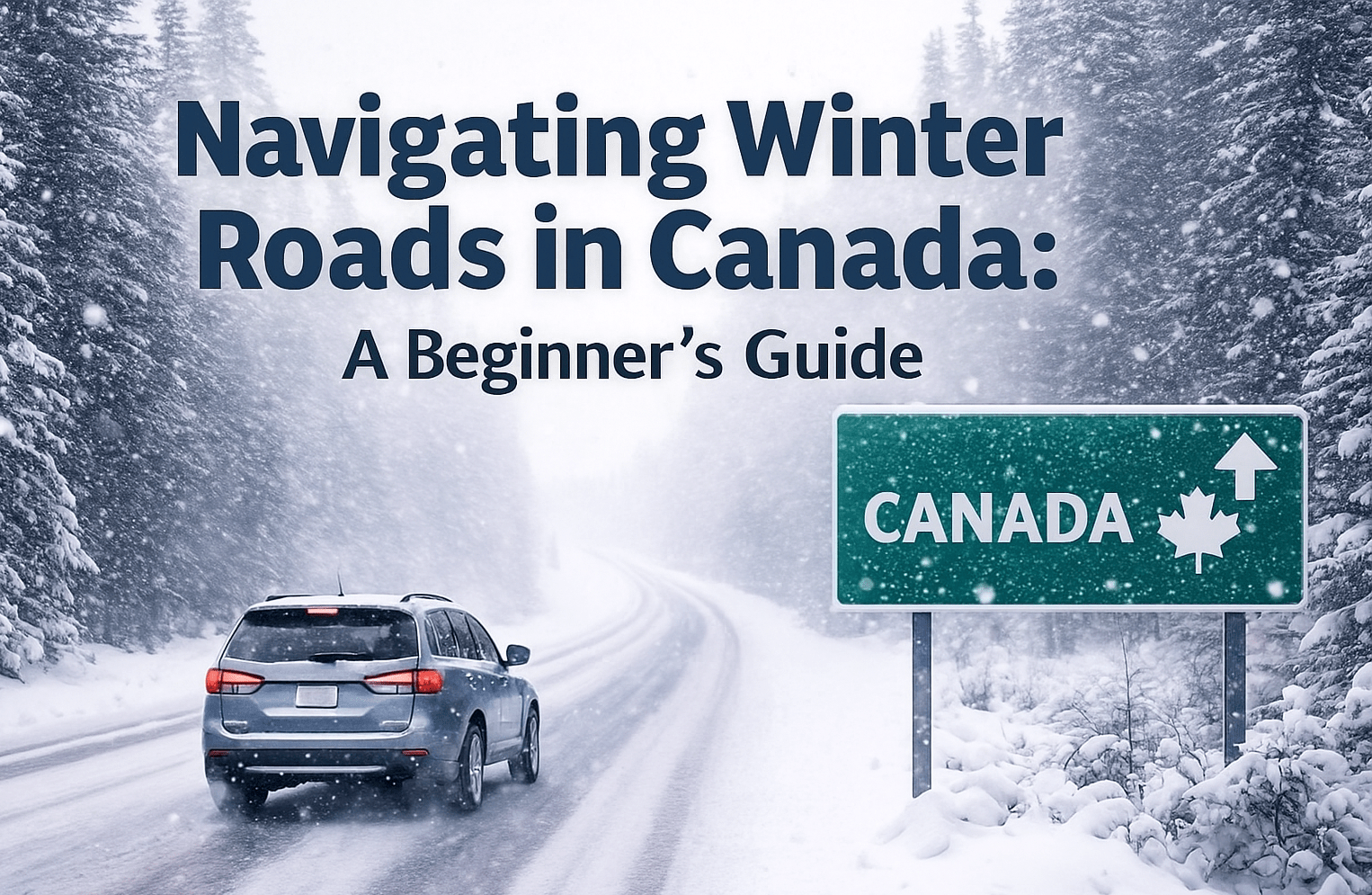 Navigating Winter Roads in Canada: A Beginner's Guide. Navigating winter roads in Canada can be daunting for beginners, especially with the unpredictable weather conditions and hazardous road conditions that come with the season. However, with proper preparation and knowledge, driving in the winter can be much safer and less stressful. In this beginner's guide, we will provide you with essential tips and information to help you navigate winter roads in Canada with confidence.
Navigating Winter Roads in Canada: A Beginner's Guide
Understanding Winter Driving Conditions
Winter driving conditions in Canada can vary significantly depending on location, from heavy snowfall to freezing rain and icy roads. It is crucial to stay informed about the weather forecast and road conditions before heading out. Understanding how these conditions can affect your vehicle's handling and braking capabilities is essential for safe driving.
Preparing Your Vehicle for Winter
Before winter sets in, make sure to perform essential maintenance on your vehicle, such as checking your battery, tires, brakes, and fluids. It is also a good idea to switch to winter tires for better traction on snow and ice. Keeping an emergency kit in your car, such as a flashlight, blanket, and shovel, can also be lifesaving in case of an emergency.
Equipping Your Car with the Right Gear
In addition to winter tires, consider snow chains or traction mats for extra grip in slippery conditions. Installing winter wiper blades and using winter-grade windshield washer fluid can help improve visibility during snowstorms. It is also essential to have a working defroster and heater to keep your windows clear and maintain a comfortable temperature inside your car.
Tips for Driving in Snow and Ice
When driving in snow and ice, it is crucial to reduce your speed and increase your following distance to allow for longer stopping distances. Use gentle braking and steering inputs to avoid skidding, and avoid sudden movements that could cause your car to lose traction. If you start to slide, steer in the direction you want to go and avoid slamming on the brakes.
Adjusting Your Driving Habits
In winter conditions, it is essential to adjust your driving habits to ensure your safety and that of others on the road. Avoid sudden acceleration, braking, or turning, as these actions can lead to loss of control. Keep a safe distance from other vehicles, and always signal your intentions well in advance to give other drivers time to react.
Dealing with Black Ice
Black ice, a thin layer of transparent ice that forms on roads, can be dangerous, as it is difficult to see and can cause your car to slide unexpectedly. If you encounter black ice, avoid sudden movements and gently steer in the direction you want to go. Do not brake or accelerate suddenly, as this can cause your car to lose traction.
What to Do in a Winter Emergency
In case of a winter emergency, such as getting stuck in a snowbank or experiencing a breakdown, it is crucial to stay calm and follow safety protocols. Stay in your vehicle to stay warm and visible to rescue crews, and keep your emergency kit stocked with essentials such as food, water, and a charged cell phone. If you need assistance, call for help and wait for rescue services to arrive.
Understanding Road Signs and Conditions
Pay close attention to road signs and conditions during the winter months, as they can provide valuable information about upcoming hazards, detours, or road closures. Be prepared to adjust your route or driving habits based on these indicators, and always drive cautiously in unfamiliar or challenging road conditions.
Navigating Through Snowstorms
Snowstorms can reduce visibility and create slippery road conditions, making driving challenging for even experienced drivers. If you find yourself driving in a snowstorm, reduce your speed, use your headlights and hazard lights to increase visibility, and stay in the cleared lanes. If conditions become too hazardous, consider pulling over to a safe location and waiting for the storm to pass.
Staying Safe on Icy Roads
Icy roads are one of the most significant hazards of winter driving, as they can cause your car to slide uncontrollably and lead to accidents. To stay safe on icy roads, reduce your speed, avoid sudden movements, and steer smoothly to maintain control of your automobile. If you start to slide, steer in the direction you want to go and gently apply the brakes to regain traction.
Avoiding Common Winter Road Hazards
Common winter road hazards, such as slush, potholes, and black ice, can pose significant risks to drivers if not approached with caution. Stay alert for these hazards and adjust your driving accordingly to avoid accidents or damage to your vehicle. Keep an eye out for road crews and emergency vehicles working to clear or repair the roads.
Tips for Driving in Extreme Cold
Extreme cold temperatures can affect your vehicle's performance and battery life, so it is essential to take precautions when driving in these conditions. Keep your gas tank at least half full to prevent fuel line freeze-up, and check your tire pressure regularly, as cold weather can cause fluctuations. Dress warmly and keep extra blankets and warm clothing in your car in case of a breakdown.
Final Thoughts!
Navigating winter roads in Canada may seem daunting at first, but with the proper preparation and knowledge, you can drive safely and confidently in the snow and ice. By understanding winter driving conditions, preparing your vehicle, and adjusting your driving habits, you can minimize the risks and enjoy a smooth winter driving experience. Stay informed, stay alert, and stay safe on the roads this winter season.
Finance a vehicle that is good for winter here at Edmonton Auto Loans!
Are you in or near Alberta, Canada, and looking to finance a car that's great for winter? We can help. Regardless of what type of vehicle you want, we can get it for you, as we have connections to numerous wholesalers, retailers, dealers, and private sellers. Apply now! Or call us at 1-855-227-1669. We'll be delighted to answer all your questions. If you'd like to see our inventory, click here.
Check us out on Facebook!